


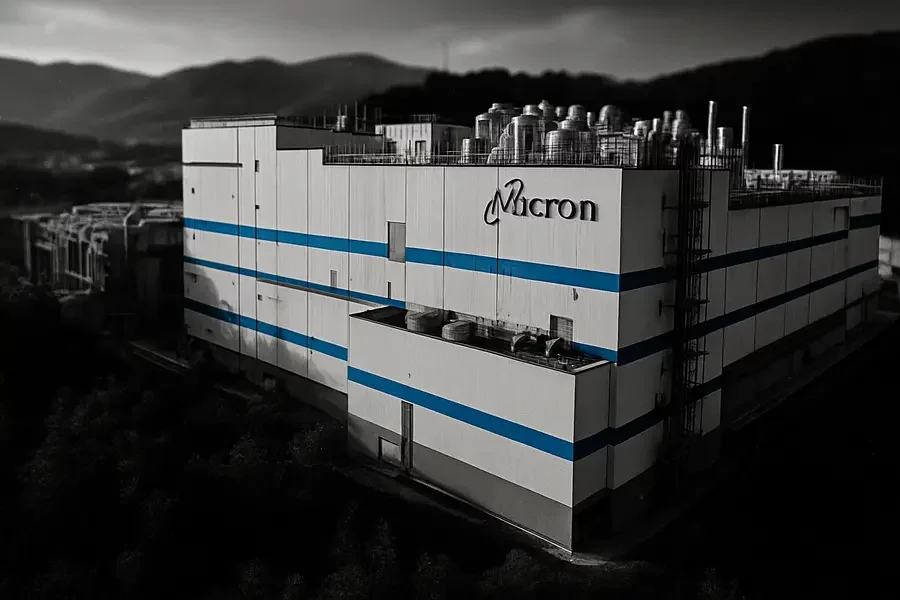
Artificial intelligence companies are creating an unprecedented memory chip shortage, driving DRAM prices to surge significantly across global markets.
The shortage threatens to raise costs for consumer electronics manufacturers, potentially leading to higher prices for smartphones, PCs and other devices throughout 2026.
Key Takeaways
- AI data centers consuming memory supplies faster than production
- DRAM prices doubled, PC makers raising prices 15-20%
- Memory shortage expected to persist through 2026
Market Impact
Companies like Nvidia (NVDA.O), Advanced Micro Devices (AMD.O) and Google (GOOGL.O) are consuming massive quantities of RAM for their artificial intelligence chips, creating supply-demand imbalances not seen since previous semiconductor shortages 1. The situation has pushed DRAM prices sharply higher, with some retail stores reporting one-third of memory products sold out 2.
Major PC manufacturers Dell and Lenovo are raising prices 15-20% due to doubled RAM costs, according to industry analysis 3. The shortage marks the beginning of what experts are calling the 2024-2026 global memory supply shortage, an ongoing period of supply constraints and rapid price escalation 4.
Industry Response
Memory chip manufacturers are struggling to meet demand from AI data centers, which require high-bandwidth memory (HBM) chips for processing large language models and machine learning workloads. This specialized demand is straining overall DRAM supply chains, affecting availability for traditional computing applications.
Smartphone and PC makers face higher component costs and tighter supply constraints, which industry analysts expect to translate into higher consumer prices. The shortage affects both consumer and enterprise markets, with business hardware purchases facing similar price pressures.
Market Outlook
IDC research indicates the supply-demand imbalance will continue as AI infrastructure buildouts accelerate globally 1. The shortage particularly impacts smartphone and PC markets, where manufacturers compete for remaining memory chip inventory after AI companies secure priority allocations.
“More chips for AI means fewer available for other products such as computers and phones. That could drive up those prices too,” according to NPR analysis of the market dynamics 5.
Consumer Impact
The memory shortage represents a significant shift in semiconductor allocation, with AI applications commanding premium pricing and priority delivery schedules. Consumer electronics buyers should expect higher prices for new devices through 2026 as manufacturers pass increased component costs to end users.
The shortage underscores the growing influence of AI infrastructure on global supply chains, creating ripple effects across technology markets that extend far beyond the AI sector itself.
Not investment advice. For informational purposes only.
References
1(Dec 18, 2025). “Global Memory Shortage Crisis: Market Analysis and the Potential Impact on the Smartphone and PC Markets in 2026”. IDC. Retrieved January 10, 2026.
2(Dec 3, 2025). “The AI frenzy is driving a memory chip supply crisis”. Reuters. Retrieved January 10, 2026.
3(Dec 9, 2025). “Why AI Is Driving Up The Price Of Your Next PC”. Pro-Networks. Retrieved January 10, 2026.
4“2024-2026 global memory supply shortage”. Wikipedia. Retrieved January 10, 2026.
5(Dec 28, 2025). “Memory loss: As AI gobbles up chips, prices for devices may rise”. NPR. Retrieved January 10, 2026.
6(2 hours ago). “AI memory is sold out, causing an unprecedented surge in prices”. CNBC LinkedIn. Retrieved January 10, 2026.
7(Jan 2, 2026). “AI-Led Memory Shortage Is Bad News for Phone and PC Makers”. Business Insider. Retrieved January 10, 2026.
8“RAM Shortage 2025: How AI Demand is Raising DRAM Prices”. Intuition Labs. Retrieved January 10, 2026.