


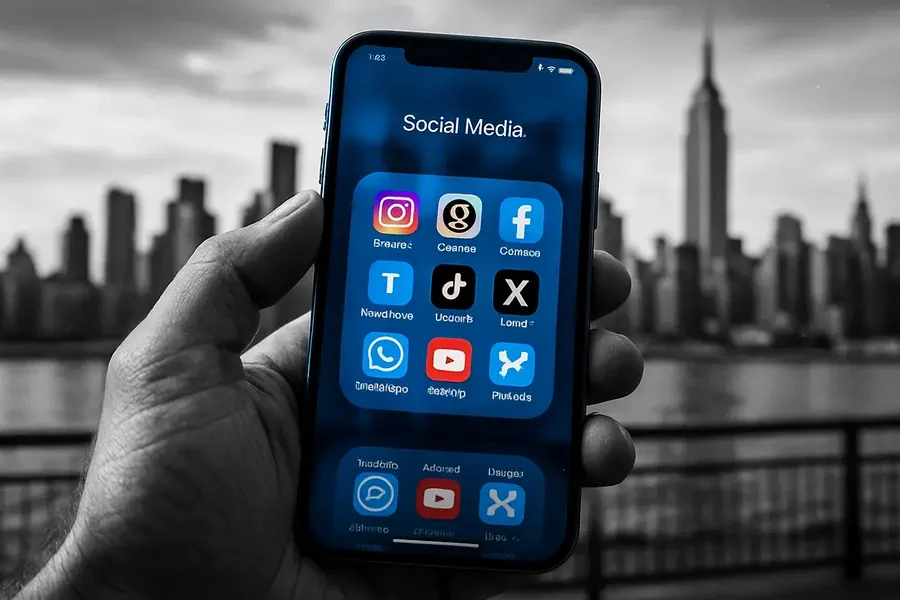
Dateline: SYDNEY, December 10, 2024 – Australia became the first country to enforce a nationwide under-16 social media ban, affecting major platforms and setting a global regulatory precedent1. The move creates new compliance costs for tech giants while signaling potential regulatory expansion worldwide that could impact platform revenues and user growth metrics.
Key Takeaways
- Australia launches world’s first under-16 social media ban
- Over one million teen accounts face deactivation
- Global regulators monitoring Australia’s enforcement approach
Market Impact and Platform Response
The ban affects major social media platforms including TikTok, Instagram, Facebook, Snapchat, Reddit and YouTube1. More than one million social media accounts held by users under 16 are set to be deactivated under the new legislation3.
YouTube has already pushed back against the ban, arguing it makes children “less safe” and calling the blanket approach counterproductive7. The platform cited four specific reasons why the ban could harm rather than protect young users, though implementation details remain unclear.
Regulatory Framework and Enforcement
The new law requires tech platforms to ensure Australians aged under 16 cannot hold accounts on their services2. Platforms face the burden of age verification and account removal, creating new operational and compliance costs.
Australia’s approach stems from concerning youth safety data, with research showing 71% of teens had encountered content linked to self-harm, violence, or other harmful material6. More than half reported exposure to such content regularly, driving regulatory action.
Global Regulatory Implications
International regulators are closely monitoring Australia’s enforcement mechanisms and industry responses1. The ban represents the first major test case for comprehensive social media age restrictions, potentially influencing policy development in other jurisdictions.
Tech companies now face the challenge of developing age verification systems that comply with Australian requirements while maintaining user privacy standards. This could drive significant technology infrastructure investments across the industry.
Industry Outlook
The ban’s effectiveness will likely determine whether other countries adopt similar measures, creating potential headwinds for social media platforms’ international expansion strategies. Companies may need to redesign products and services to accommodate varying age-restriction frameworks globally.
While the immediate impact affects Australian users, the precedent could reshape how platforms approach youth safety and age verification worldwide, potentially affecting user acquisition costs and engagement metrics across key demographic segments.
Not investment advice. For informational purposes only.
References
1(December 10, 2024). “Australia is trying to enforce the first teen social media ban”. CNBC. Retrieved December 10, 2024.
2(December 10, 2024). “Kids locked out of social media apps after Australia’s world-first ban”. BBC News. Retrieved December 10, 2024.
3(December 9, 2024). “Australia launches youth social media ban it says will be the world’s first”. NBC News. Retrieved December 10, 2024.
4(December 10, 2024). “Australia begins enforcing world-first teen social media ban”. Channel News Asia. Retrieved December 10, 2024.
5(December 9, 2024). “Australia’s social media ban for children has left big tech scrambling”. YouTube. Retrieved December 10, 2024.
6(December 8, 2024). “Australia’s Under-16 Social Media Ban”. ReadOn. Retrieved December 10, 2024.
7(December 9, 2024). “YouTube gives four reasons why social media ban in Australia is less safe for kids”. Times of India. Retrieved December 10, 2024.
8(December 10, 2024). “Australia begins enforcing world-first teen social media ban”. The Hindu. Retrieved December 10, 2024.
9(December 9, 2024). “More than 1 million social media accounts held by users under 16 are set to be deactivated”. NBC News Facebook. Retrieved December 10, 2024.