

Boeing (BA) shares edged higher after the FAA restored the jet maker’s authority to self-certify 737 MAX and 787 airworthiness, a regulatory milestone that analysts say removes a key bottleneck to accelerating deliveries and free cash flow.
For long-horizon investors, the restored “ticketing authority” is less a one-day catalyst and more a structural unlock: faster sign-offs mean quicker aircraft handovers to airlines, which in turn drives the cash receipts Boeing needs to repair a balance sheet still burdened by years of crisis-era losses 1.
Key Takeaways
- FAA reinstates Boeing’s airworthiness self-certification for 737 MAX and 787.
- Boeing logged 64 deliveries in June, its best first-half since 2018.
- Earnings due July 28; supply chain execution is the key watch item.
Market Reaction & Context
BA closed at $214.38 on July 17, roughly flat on the session, but the regulatory headline drew institutional attention: Bessemer Group added 591,936 shares and Swiss National Bank also disclosed a new position during the same reporting window 2. The stock has broadly outpaced the S&P 500 Industrials sector year-to-date as investors price in a recovery arc, though it remains well below its pre-crisis highs.
The FAA’s decision to return certification authority – which Boeing lost following the 2018-2019 MAX crashes – signals that regulators now have sufficient confidence in the company’s internal quality controls 3. That trust, once forfeited, took years to rebuild and carries lasting implications for Boeing’s production cadence going forward.
Detailed Analysis
The regulatory tailwind arrives alongside separate progress on two long-delayed variants. Boeing is nearing a key certification milestone for the 737 MAX 7 and MAX 10, potentially unlocking a backlog of orders that airlines have been unable to take delivery on 4. Both variants have faced repeated delays tied to anti-icing system approvals, with regulators requiring additional flight tests before clearing the aircraft for commercial service.
On the delivery front, the 64 jets handed over in June gave Boeing its strongest first-half output since 2018, a data point that matters because deliveries – not orders – are when Boeing books revenue and collects the bulk of its cash payment from customers 5. Supply-chain watchers noted that GE Aerospace said it has months of GEnx engine inventory on hand, pushing back on concern that engine shortfalls could choke the 787 ramp 6.
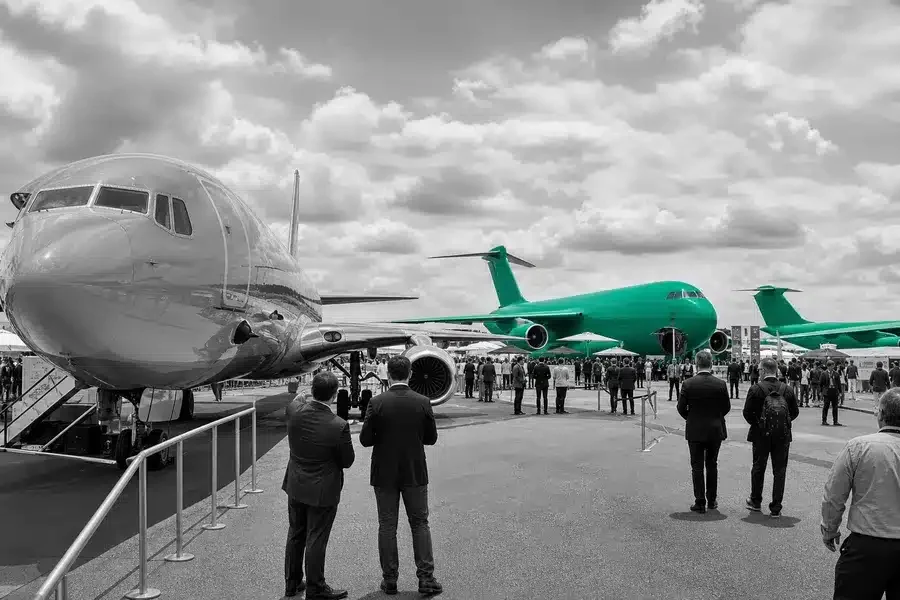
Boeing is also studying production-rate increases on the 737 MAX line and is targeting a potential 100-jet deal with SMBC Aviation Capital, a transaction that would bolster an already deep order book 7. The company simultaneously released its 20-year market outlook at the Farnborough Airshow, projecting demand for more than 44,000 new aircraft by 2045 and a global fleet exceeding 50,000 planes – figures it said were essentially unchanged despite near-term geopolitical disruptions 8.
The competitive backdrop is not uniformly positive, however. Airbus won major narrowbody orders from Air China and other Chinese carriers during the same period, underscoring Boeing’s continued difficulty recapturing market share in the world’s largest aviation growth market amid unresolved trade tensions 9. Investors tracking Boeing’s long-term revenue mix should watch that gap closely, as China historically accounted for a significant share of projected narrowbody demand. Safety scrutiny also continues: U.S. investigators are taking the lead in a probe into a Ryanair 737 engine failure over Greece, a reminder that Boeing fleet safety incidents can quickly reset investor sentiment 10.
Outlook & Management Signals
Boeing’s CEO signaled at Farnborough that balance-sheet repair takes priority over launching a new aircraft design, saying the company needs to shore up its finances before committing to a major clean-sheet program 11. That discipline may frustrate investors eager for a next-generation product announcement, but it reflects the cash-conservation posture that most analysts have called appropriate given Boeing’s still-elevated debt load.
“Boeing puts production ahead of plane orders at Farnborough,” reported Seeking Alpha on July 19, capturing the message executives delivered throughout the air show: execution first, ambition second 12.
Earnings are scheduled for July 28, and the primary metrics to track are deliveries per month, free cash flow guidance, and any update on the 737 MAX 7 certification timeline. Wall Street’s consensus rating on BA remains a “moderate buy,” reflecting cautious optimism that recovery is on track rather than conviction that the hard work is finished 13.
Conclusion
The FAA’s certification restoration is a genuine operational milestone, but it lands inside a week dense with moving parts – Farnborough order activity, a looming earnings call, potential SMBC deal news, and ongoing 737 MAX 7 approval progress. For long-horizon investors, the through-line connecting all of it is supply-chain capacity: Boeing’s ability to convert its roughly $600 billion backlog into delivered aircraft, collected cash, and ultimately a restored investment-grade balance sheet is the metric that will define returns over the next three to five years.
Not investment advice. For informational purposes only.
References
1(July 17, 2026). “FAA returning ticketing authority to Boeing for 737 MAX, 787 planes”. Reuters. Retrieved July 20, 2026.
2(July 17-19, 2026). “BA News Today | Why did Boeing stock go up today? $BA”. MarketBeat. Retrieved July 20, 2026.
3(July 17, 2026). “FAA lets Boeing sign off on 737 Max, 787 airworthiness certificates again”. CNBC. Retrieved July 20, 2026.
4(July 16, 2026). “Boeing nears key certification milestone for 737 Max 7 and Max 10”. Seeking Alpha. Retrieved July 20, 2026.
5(July 16, 2026). “Boeing Delivered 64 Jets in June. Here’s What That Means for Its July 28 Earnings.”. The Motley Fool. Retrieved July 20, 2026.
6(July 16, 2026). “GE Aerospace pushes back on GEnx delay concerns, says Boeing has months of engine supply”. Reuters. Retrieved July 20, 2026.
7(July 17, 2026). “Boeing Targets 100-Jet SMBC Deal as Airbus Battles for Major Order”. Yahoo Finance. Retrieved July 20, 2026.
8(July 19, 2026). “Boeing sees demand for 44,000 new aircraft by 2045 despite near-term disruptions”. Seeking Alpha. Retrieved July 20, 2026.
9(July 17, 2026). “Airbus Wins Major Order from Air China to Firm Regional Hold”. Yahoo Finance. Retrieved July 20, 2026.
10(July 16, 2026). “US to take lead in probe into Ryanair Boeing 737 engine failure over Greece”. Reuters. Retrieved July 20, 2026.
11(July 19, 2026). “Boeing Needs to Shore Up Finances Before Launching New Airplane Design, CEO Says”. The Wall Street Journal. Retrieved July 20, 2026.
12(July 19, 2026). “Boeing heads into Farnborough focused on production, defense, long-term recovery”. Seeking Alpha. Retrieved July 20, 2026.
13(July 17, 2026). “The Boeing Company (NYSE:BA) Given Average Recommendation of ‘Moderate Buy’ by Brokerages”. American Banking News. Retrieved July 20, 2026.
14(July 17, 2026). “After Repeated Crises, Boeing Looks to Turn a Corner”. The New York Times. Retrieved July 20, 2026.
15(July 19, 2026). “Boeing studying new 737 MAX production hikes”. Reuters. Retrieved July 20, 2026.
16(July 19, 2026). “Boeing on track for 2028 Air Force One delivery, costs rise”. Reuters. Retrieved July 20, 2026.
17(July 17, 2026). “Boeing: Global Commercial Fleet Will Top 50,000 Airplanes in 20 Years as Passenger Traffic Doubles”. PR Newswire. Retrieved July 20, 2026.
18(July 17, 2026). “Boeing keeps 20-year forecast for jet demand steady, shrugs off Iran war impact”. Reuters. Retrieved July 20, 2026.
19(July 19, 2026). “Boeing’s (BA) Jet Demand Outlook Is Strong, but 737 and 777 Delays Remain a Risk”. TipRanks. Retrieved July 20, 2026.
20(July 18, 2026). “Boeing Comes to Air Show Carrying Weight of Trump’s Influence”. Yahoo Finance. Retrieved July 20, 2026.