


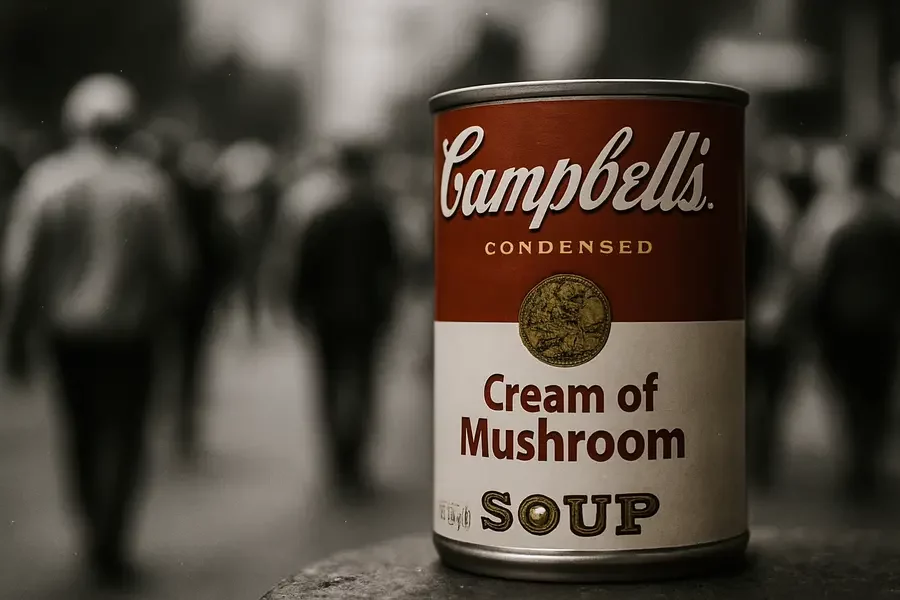
Dateline: NEW YORK, December 9, 2025 – Campbell Soup Co (CPB) exceeded first-quarter sales estimates with 2.7 billion in revenue, beating analyst expectations of 2.66 billion amid steady demand for packaged foods 1. The outperformance signals consumer preference for convenient, affordable meal options continues supporting packaged food makers despite broader economic pressures.
Key Takeaways
- Q1 sales hit 2.7 billion, topping 2.66 billion consensus
- Canned soups and ready-to-eat products drove growth
- Resilient demand for convenient meal solutions continues
Market Reaction & Context
Campbell’s first-quarter results for the period ended November 2 demonstrate the packaged food sector’s relative stability compared to other consumer discretionary categories 1. The company’s performance reflects broader trends favoring shelf-stable food products as consumers prioritize convenience and value.
Packaged food companies have generally maintained steady performance this year, with investors viewing the sector as defensive amid economic uncertainty 5. Campbell’s beat comes as the industry faces mixed volume trends but benefits from pricing power.
Detailed Analysis
The revenue beat was primarily driven by sustained demand for Campbell’s core products, including canned soups and ready-to-eat meals 3. These categories have proven resilient as consumers seek convenient, affordable meal solutions during busy schedules and economic pressures.
Industry data suggests packaged food volumes have faced some headwinds, but Campbell’s performance indicates successful navigation of these challenges 8. The company has balanced pricing strategies with volume retention better than some competitors.
Market Positioning
Campbell’s continues to benefit from its strong brand recognition in the soup category, which provides defensive characteristics during economic downturns. The company’s focus on convenient meal solutions aligns with changing consumer behavior patterns post-pandemic.
Ready-to-eat products have become increasingly important to Campbell’s portfolio, representing growth opportunities beyond traditional soup sales 4. This diversification strategy helps insulate the company from category-specific weakness.
Outlook
The earnings beat suggests Campbell’s is successfully executing its strategy of focusing on convenient, affordable food options that resonate with current consumer preferences. Management’s ability to deliver above-consensus results indicates effective demand forecasting and inventory management.
Looking ahead, the packaged food sector faces ongoing challenges from input cost inflation and changing consumer preferences, but Campbell’s strong brand portfolio provides competitive advantages. The company’s performance sets a positive tone for other packaged food earnings this quarter.
Not investment advice. For informational purposes only.
References
1Reuters (December 9, 2025). “Campbell’s beats sales estimates on resilient demand for its packaged food products”. Reuters. Retrieved December 9, 2025.
2CTV News (December 9, 2025). “Campbell’s beats sales estimates on resilient demand for packaged food products”. CTV News. Retrieved December 9, 2025.
3MarketScreener (December 9, 2025). “Campbell’s beats sales estimates on resilient demand for its packaged food products”. MarketScreener. Retrieved December 9, 2025.
4Business Post (December 9, 2025). “Campbell’s beats sales estimates”. Business Post. Retrieved December 9, 2025.
5MarketBeat (December 9, 2025). “Campbell’s Q1 2026 Earnings Report”. MarketBeat. Retrieved December 9, 2025.