


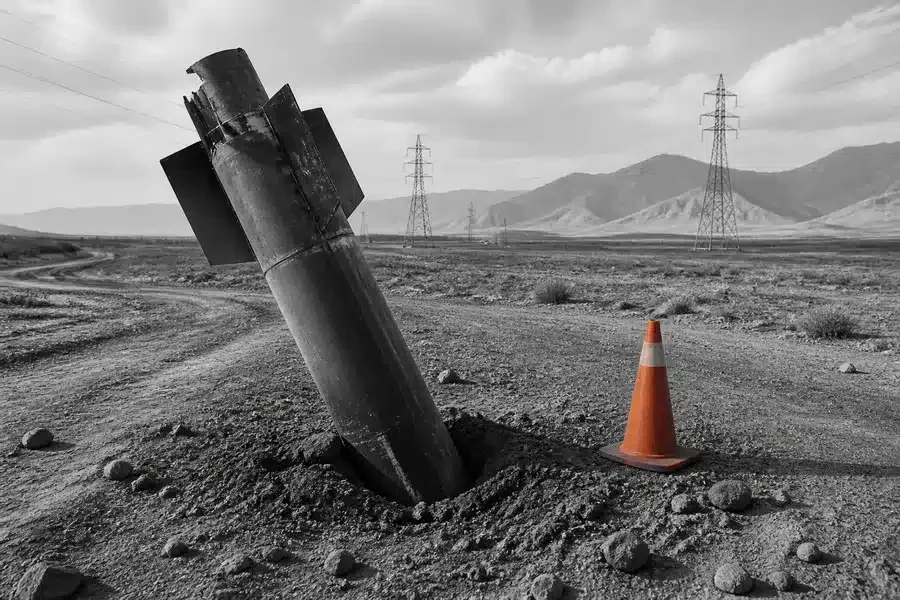
Shipping traffic through the Strait of Hormuz has collapsed to roughly 30 vessels over the weekend from more than 100 per day before hostilities resumed, a disruption that threatens the global oil supply chain and raises direct earnings risk for energy and logistics portfolios.
For long-horizon investors, the Strait of Hormuz is not merely a military flashpoint – it is the chokepoint through which approximately 20% of the world’s traded crude oil flows, and a sustained closure or near-closure would restructure global energy pricing for months, if not years.
Key Takeaways
- Strait of Hormuz traffic down more than 70% versus pre-war levels.
- U.S. Central Command has conducted 10 consecutive nights of strikes on Iran.
- Tehran warns peace talks are over; escalation risk remains elevated.
Market Reaction & Context
Vessel-tracking firm Kpler recorded just 30 ship transits through the Strait of Hormuz over the most recent weekend, compared with more than 100 per day before the conflict escalated – a decline of more than 70% 1. That compression in throughput is proportionally steeper than the shipping disruptions seen during the 2019 Gulf of Oman tanker attacks, which briefly spiked Brent crude by roughly 4%, and closer in severity to scenarios modelled during peak Houthi Red Sea blockade periods in early 2024.
Energy equities exposed to Middle Eastern liftings and tanker operators have historically served as both risk barometers and short-term beneficiaries in prior Hormuz scare events. The current disruption, however, is materially longer-duration. For context on how sanctions and supply-route risk affect crude pricing and portfolio positioning, the ongoing analysis of Iran oil sanctions and their energy portfolio impact provides a structural framework investors should revisit.
The Military Escalation Timeline
U.S. Central Command has carried out 10 consecutive nights of strikes on Iran after President Donald Trump declared the prior ceasefire “over,” according to reporting from multiple outlets 1. The renewed campaign was triggered after Iranian-backed forces killed two U.S. service members at a base in Jordan, prompting Washington to notify Congress formally that hostilities had resumed 2.
Iran’s Supreme Leader subsequently said Trump’s diplomatic signature was “worthless,” and an Iranian official said the policy of negotiating during wartime was finished 2. That combination – bilateral military action alongside a collapse of the diplomatic track – is precisely the scenario energy market analysts flag as most damaging to shipping-route stability.
Detailed Analysis: Pipeline Risk and Supply Durability
The investor question is not simply whether oil prices rise but whether supply-route disruption becomes structural enough to alter capital allocation in energy infrastructure. Bloomberg’s defence analysts said Iran is adapting its missile tactics to U.S. defences, suggesting the conflict’s operational tempo is unlikely to recede quickly 1.
Kenneth Katzman, senior fellow at The Soufan Center, noted in an Al Jazeera panel that the US-Iran conflict resumed after Tehran fired on ships transiting the waterway, and that US attacks have focused on Iran’s southern coast – the zone nearest to Hormuz transit lanes 2. That geographic targeting pattern implies continued pressure on tanker operators and downstream refinery feedstock schedules.
Iran has also threatened to disrupt shipping in the Red Sea, adding a second chokepoint risk to portfolios already managing Suez Canal rerouting costs 2. The compounding of two major waterway threats simultaneously is a scenario most energy supply models did not price as a base case entering 2026.
Outlook & Analyst Perspective
“Iran is not going to capitulate,” analyst Jeremy Scahill said in a widely circulated assessment, warning that the renewed war has entered a perilous new phase with no clear off-ramp visible from either side 1.
Alan Eyre, a distinguished diplomatic fellow at the Middle East Institute and former member of the U.S.-Iran nuclear deal team, said the central dispute is now the Strait of Hormuz itself, meaning any resolution requires Iran to restore access – a concession Tehran has consistently framed as a strategic red line 2.
Conclusion
For long-horizon investors, the Hormuz disruption is no longer a tail risk; it is an active constraint on global energy logistics with measurable throughput data attached. The 70%-plus drop in weekly transits, set against a 10-night U.S. strike campaign and a broken diplomatic channel, warrants a structured reassessment of energy-sector exposure, tanker fleet positioning, and any portfolio dependent on Middle Eastern crude liftings. The structural drivers of the conflict, as analysts across multiple outlets noted, remain unresolved even if a temporary pause emerges 3.
Not investment advice. For informational purposes only.
References
1(Jul 19, 2026). “Iran threatens return to all-out war with United States amid escalating strikes”. ABC News (Australia) / YouTube. Retrieved July 21, 2026.
2(Jul 17, 2026). “Can the US and Iran reach a lasting deal to end the conflict?”. Al Jazeera. Retrieved July 21, 2026.
3Baroud, Ramzy (Jun 14, 2026). “The Day After the Iran War: Five Scenarios, Core Questions, and a Forum for Our Readers”. Palestine Chronicle. Retrieved July 21, 2026.
4(“Iran says that the resumption of hostilities in the Middle East war will have consequences for ongoing talks”). Al Arabiya English / Facebook. Retrieved July 21, 2026.