


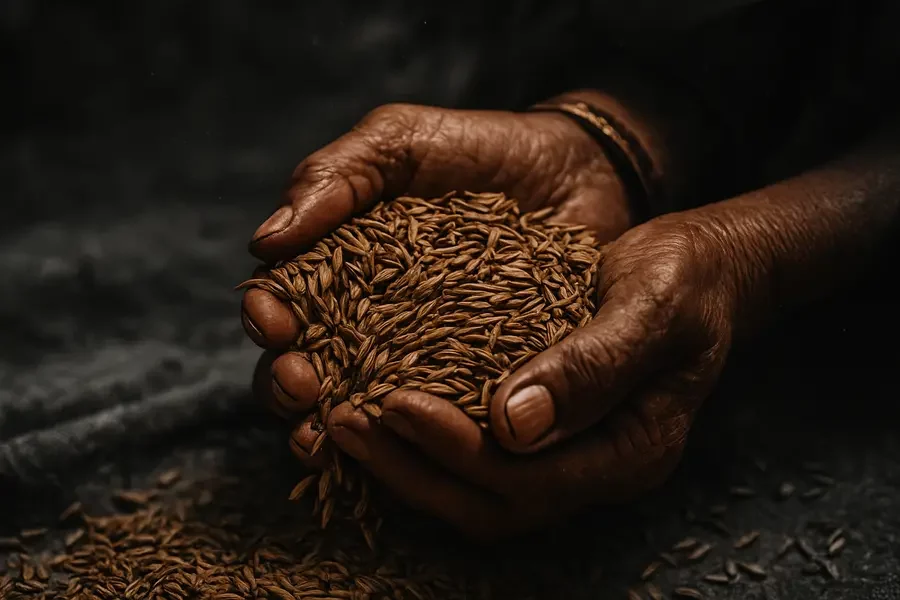
Dateline: NEW DELHI, May 29, 2025 – India has increased its minimum support price (MSP) for rice by 3%, marking the lowest rise in five years. This decision could have significant implications for local farmers and food inflation in the region.
- 3% rise in rice MSP, lowest in 5 years
- Move aims to support farmers amid rising input costs
- Potential impact on food inflation and market stability
Market reaction & context
The Indian government’s decision to raise the MSP for the 2025-26 season by just 3% is designed to assist farmers in the face of mounting production costs. This adjustment contrasts sharply with higher hikes seen in other crops like pulses and oilseeds, which experienced more substantial increases amid inflationary pressures affecting food commodities across Asia.
Investors should consider the broader economic context as this adjustment may signal the government’s strategy to balance support for farmers with its commitments to controlling food inflation. The MSP for paddy rice now stands at ₹2,040 per quintal (approximately $24.80), slightly below market expectations.
Detailed analysis
Analysts have highlighted that the 3% increase reflects a cautious approach by the Indian administration, aiming to avoid exacerbating inflationary trends while providing some relief to farmers. As noted by Rajendra Jadhav of Reuters, this hike represents a departure from previous years, where the government often implemented more substantial price increases to promote agricultural growth.
In recent months, rising input costs, from fertilizers to labor, have placed additional strains on farmers. The government has also announced greater price increases for pulses and oilseeds in comparison, indicating a targeted effort to boost production in sectors facing tighter supply. This selective support could lead to a shift in crop planting trends among Indian farmers.
Outlook / management quote
“The modest hike in rice prices underscores the government’s balanced approach to assist farmers while controlling inflation,” said an unnamed official from the Ministry of Agriculture. “We are closely monitoring market conditions and will adjust our strategies as necessary.”
Conclusion
As the agricultural sector navigates the challenges of rising costs and climate impacts, the Indian government’s decision to increase the rice MSP by 3% will likely be watched closely by stakeholders. Farmers may need to adjust their expectations and strategies as they respond to this latest directive, while investors and policymakers will keep a keen eye on its potential effects on the broader economy.
No investment advice. For informational purposes only.