

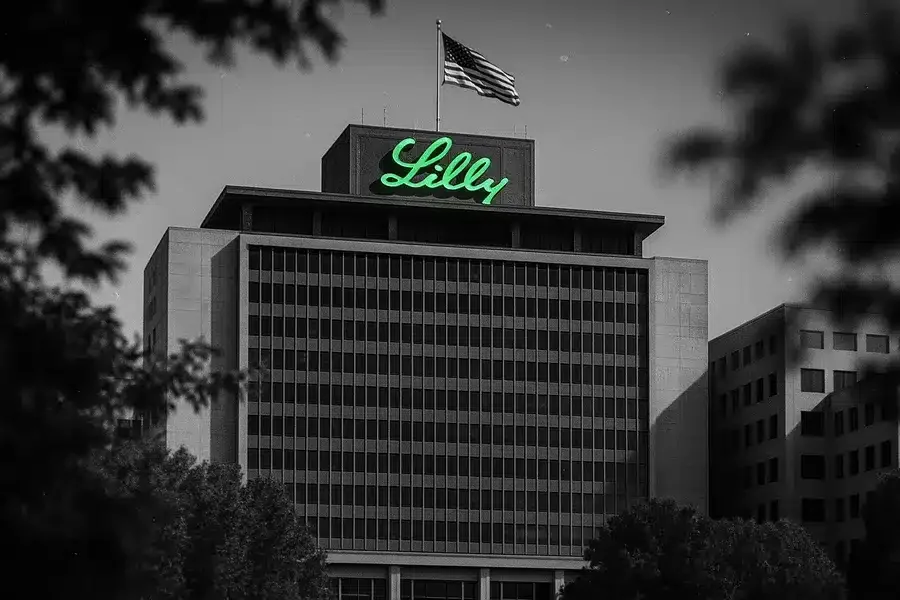
Pharmaceutical giant Eli Lilly (LLY) has announced plans to purchase three vaccine development companies in transactions valued at up to $4 billion total, marking the obesity drug manufacturer’s strategic return to infectious disease prevention.
These transactions demonstrate a calculated expansion for the drug maker, branching out from its profitable diabetes and weight-loss portfolio into a field with substantial pandemic readiness opportunities.
Key Takeaways
- Lilly acquiring Curevo, LimmaTech, and Vaccine Co for $4 billion
- Move expands beyond weight-loss drugs into vaccine development
- Strategic shift toward infectious disease prevention capabilities
Deal Structure and Targets
The Indianapolis-headquartered corporation will purchase Curevo Inc. for up to $1.5 billion, Switzerland’s LimmaTech Biologics for $780 million, and Vaccine Company for roughly $1.55 billion 1. These deals combine immediate payments with achievement-based milestones linked to developmental progress.
Curevo’s expertise lies in respiratory syncytial virus (RSV) and COVID-19 vaccine creation, whereas LimmaTech concentrates on bacterial vaccine platforms. These purchases will grant Lilly access to supplementary vaccine technologies and production facilities.
Market Context and Strategic Rationale
This development occurs while Lilly stock approaches record highs, driven by exceptional performance of weight-management treatments Mounjaro and Zepbound. The firm’s market value has climbed more than 40% year-to-date, significantly exceeding the S&P 500’s 15% advancement.
“This agreement with these vaccine developers is part of our efforts to position ourselves for the next generation of infectious disease threats,” a Lilly spokesperson said in the announcement 2. These transactions underscore increasing pharmaceutical sector focus on pandemic preparedness following COVID-19’s market upheaval.
Infectious Disease Expansion
These purchases represent Lilly’s largest vaccine-industry commitment since selling its animal health division in 2019. The organization had previously concentrated mainly on diabetes, cancer, and neurological therapies, with minimal infectious disease involvement.
Market experts consider this direction strategically prudent given vaccine sector trends. The worldwide vaccine marketplace is anticipated to hit $100 billion by 2027, propelled by enhanced government stockpiling and expedited development schedules post-pandemic.
Financial Impact and Integration
Lilly anticipates completing these transactions in 2026’s latter half, pending regulatory clearance. The company will finance these deals using available cash and credit facilities while preserving its investment-grade rating.
Leadership suggested these vaccine platforms might produce initial revenue within three to five years, contingent on clinical testing results and regulatory clearances. The transactions are projected to modestly reduce earnings initially but become profitable long-term.
Competitive Positioning
These acquisitions enable Lilly to challenge vaccine industry leaders Pfizer, Moderna, and Johnson & Johnson more effectively. The company’s strengthened infectious disease expertise could prove beneficial for future pandemic responses or standard immunization initiatives.
Financial analysts broadly endorsed this strategic approach while acknowledging implementation challenges common to biotechnology mergers. Success will ultimately hinge on progressing the purchased vaccine prospects through clinical testing and regulatory approval pathways.
Not investment advice. For informational purposes only.
References
1Lilly agrees to buy trio of vaccine developers – WSJ. MarketScreener. Retrieved May 26, 2026.
2Dow Jones Top Company Headlines at 7 AM ET: Lilly Agrees to Buy Trio of Vaccine Developers. Morningstar. Retrieved May 26, 2026.