

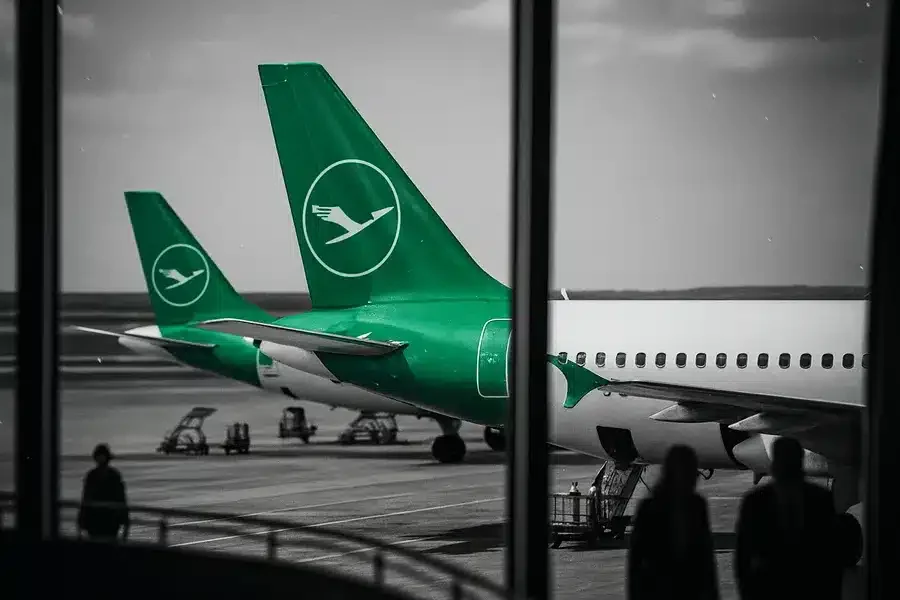
Lufthansa has made the decision to permanently remove 27 aircraft from its CityLine subsidiary operations as the airline grapples with escalating fuel expenses and persistent labor conflicts disrupting services throughout Germany. These fleet reductions underscore the intense pressure from aviation fuel costs that have increased by more than 100% due to conflicts in the Middle East, as ongoing strikes by pilots and cabin crew members result in the cancellation of hundreds of scheduled flights.
Key Takeaways
- 27 CityLine aircraft permanently grounded due to fuel costs
- Jet fuel prices doubled amid Iran war supply disruptions
- Labor strikes by pilots and cabin crew disrupt operations
Market Reaction & Context
Shares of Lufthansa declined 1.23% to €7.724 during Tuesday trading, pushing year-to-date declines to 8.11% as market participants assessed the implications of fleet reductions and increasing operational expenses 1. The German airline’s difficulties reflect wider industry challenges, with European carriers including Air France and Scandinavian Airlines implementing comparable flight reductions due to fuel price instability.
Chief Executive Carsten Spohr cautioned that aviation fuel supplies would continue facing constraints through 2026, with kerosene costs jumping from roughly $0.50 per liter prior to the Gulf crisis to the current $1.20 per liter 2. The company has developed backup plans that include fleet reductions ranging from 2.5% to 5%, which would involve parking 20-40 aging, less efficient aircraft.
Operational Disruptions Mount
These fleet reductions occur while Lufthansa confronts challenges across multiple areas, with pilots from the Vereinigung Cockpit union executing a two-day work stoppage that resulted in over 700 flight cancellations on April 13 3. The UFO cabin crew union has declared additional two-day strikes, adding to operational difficulties for the carrier’s German services.
“We have repeatedly given Lufthansa enough time to submit a serious offer,” said VC president Andreas Pinheiro. “However, an offer that is to be counter-financed elsewhere is not sustainable for us” 4.
Fuel Supply Crisis Deepens
This widespread fuel crisis has resulted in severe shortages at key international airports, with hubs in Singapore, Bangkok, and multiple Indian cities restricting additional flights to preserve fuel for current routes 5. European airports, which obtain approximately 40% of their kerosene from Gulf region sources, are especially exposed as tanker shortages jeopardize supply chains.
Strong revenue performance on Asian routes is helping to counterbalance increased fuel expenses, though Spohr recognized that aircraft grounding “may be unavoidable” as kerosene accessibility becomes critical at important airports. The airline’s restructuring initiative, which generated €500 million ($590 million) in contribution during the previous year, aims for gross earnings enhancement of €2.5 billion by 2028.
Industry-Wide Impact
The International Air Transport Association cautioned that aviation fuel supply limitations could continue for months even if Iran reopens the Strait of Hormuz, a vital corridor for international oil commerce 6. Airlines globally are adopting comparable strategies, with Qantas reducing domestic capacity and Virgin Atlantic decreasing flight schedules as fuel expenses rise.
Although Lufthansa continues experiencing strikes at its primary German operations, the group secured a three-year compensation agreement with cockpit and cabin crew at Lufthansa City Airlines, offering some operational consistency for the short-haul division established in 2024 7.
Outlook
Notwithstanding present difficulties, Lufthansa maintains measured optimism regarding long-term opportunities, anticipating substantial aircraft deliveries including the Boeing 777X beginning in 2027. The airline expects that new fuel-efficient aircraft will help establish its position to recover from the crisis with enhanced strength and competitiveness.
Industry experts caution that prolonged elevated fuel costs and supply interruptions could compel additional airlines to decrease flights and limit services, creating greater pressure on global air travel during the busy summer travel period.
Not investment advice. For informational purposes only.
References
1Reuters (April 14, 2026). “Lufthansa braces for jet fuel crunch, higher costs may force fleet cuts”. MarketScreener. Retrieved April 16, 2026.
2Travel And Tour World (April 6, 2026). “Lufthansa Cuts Flights Amid Gulf War Fuel Crisis and Kerosene Shortage”. Retrieved April 16, 2026.
3Graham Dunn (April 14, 2026). “Lufthansa labour strife continues despite City Airlines deal”. FlightGlobal. Retrieved April 16, 2026.
4Graham Dunn (April 14, 2026). “Lufthansa labour strife continues despite City Airlines deal”. FlightGlobal. Retrieved April 16, 2026.
5Travel And Tour World (April 6, 2026). “Lufthansa Cuts Flights Amid Gulf War Fuel Crisis and Kerosene Shortage”. Retrieved April 16, 2026.
6NDTV Profit News (2 days ago). “US-Iran war: Qantas, Lufthansa, Virgin Atlantic cut routes, raise fares as jet fuel prices double”. MSN. Retrieved April 16, 2026.
7Graham Dunn (April 14, 2026). “Lufthansa labour strife continues despite City Airlines deal”. FlightGlobal. Retrieved April 16, 2026.