

The United States will impose a 25% tariff on most Brazilian imports from July 22 under Section 301 of the Trade Act of 1974, with a second forced-labor probe threatening to stack an additional 12.5% duty on top-potentially raising the combined rate to 37.5% within days.
Long-horizon investors exposed to sectors that rely on Brazilian commodity and industrial inputs-including agriculture, steel, and energy-face an immediate cost-structure reassessment as the tariff regime could persist well beyond Brazil’s October presidential election.
Key Takeaways
- 25% Section 301 tariff on most Brazilian goods takes effect July 22.
- A separate probe could add 12.5%, pushing the combined rate to 37.5%.
- Beef, orange juice, aircraft, and energy products are exempt from the 25% levy.
Market Context & Scale of Exposure
Brazil is the United States’ ninth-largest goods trading partner, making the 25% levy one of the broadest single-country tariff actions since the 2018-2019 China trade war. Unlike the blanket 10% global baseline tariff that has applied since a U.S. Supreme Court ruling in February struck down President Donald Trump’s earlier 50% levies on Brazilian goods, the new Section 301 action carries legal architecture designed to survive judicial challenge 1.
The White House is using Section 301 precisely because it grants the executive branch authority to impose duties without additional congressional authorization-a legal pathway the administration has leaned on heavily after the court’s February ruling curtailed its broader tariff agenda 2.
What Is Covered-and What Is Not
The 25% rate applies to most Brazilian imports but carves out specific categories: beef, orange juice, aircraft and parts, and energy products are exempt. That exemption list is notably narrow, meaning U.S. manufacturers importing Brazilian steel semi-finished goods, chemicals, paper products, and consumer items will see costs rise materially.
Washington’s grievances span several policy domains. The U.S. Trade Representative cited Brazil’s orders compelling American technology firms-including Meta Platforms (META.O), Alphabet’s Google (GOOGL.O), and X-to remove political content and suspend accounts of U.S. residents 1. Additional complaints cover preferential tariff arrangements Brazil extends to Mexico and India, weak intellectual property enforcement, ethanol market barriers, and inadequate anti-deforestation enforcement 2.
The Compounding Risk: A Second Tariff Layer
The more significant near-term risk for supply-chain managers is the pending forced-labor probe. A decision is expected within days and, if the additional 12.5% duty is confirmed, the combined tariff burden on covered Brazilian goods would reach 37.5%-well above what most U.S. importers have modeled in current-quarter cost forecasts.
That stacking mechanism matters to investors because it introduces binary event risk: companies that have hedged for 25% could face margin erosion if the second determination goes against Brazil before they can adjust sourcing contracts.
Diplomatic Breakdown and Political Spillover
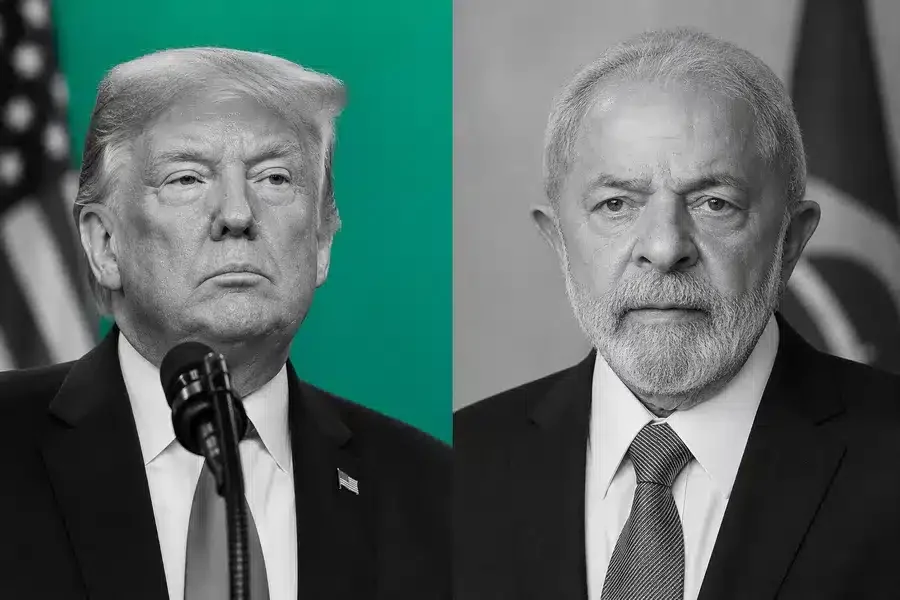
Negotiations between Washington and Brasília ran for months but ultimately collapsed. Secretary of State Marco Rubio said Brazilian President Luiz Inácio Lula da Silva had
“not negotiated in good faith”
and that the tariffs were the price of Lula “putting his own ego ahead of making a deal.” 1
Brazil’s trade ministry did not immediately respond to requests for comment. The dispute has injected fresh volatility into Brazil’s domestic politics ahead of the October presidential election: Lula has accused opposition Senator Flávio Bolsonaro of lobbying Washington to trigger the tariffs, while Bolsonaro said he was instead seeking to delay implementation until after the vote 1.
Investor Outlook
For long-horizon investors, the key variable is durability. Section 301 tariffs historically take years to unwind-the levies imposed on Chinese goods in 2018 remain largely in place today. A change in Brazil’s presidential administration in October could open a diplomatic off-ramp, but any renegotiation would likely take quarters, not weeks, to materialize.
Companies with significant Brazilian sourcing in non-exempt categories should be monitored for guidance revisions in upcoming earnings calls. Conversely, domestic U.S. producers in competing sectors-particularly steel and agricultural chemicals-may see a near-term tailwind if the tariffs hold.
Not investment advice. For informational purposes only.
References
1Anniek Bao (July 16, 2026). “U.S. slaps 25% tariff on most Brazilian goods over ‘unfair trade practices'”. CNBC. Retrieved July 16, 2026.
2Daisuke Wakabayashi (June 2, 2026). “Trump Targets Brazil With 25% Tariff, Citing Unfair Trade Practices”. The New York Times. Retrieved July 16, 2026.