


Catastrophic flooding across Thailand has forced Toyota (7203.T) to idle four domestic manufacturing plants and compelled flag carrier Thai Airways (THAI.BK) to suspend all cargo services through October 6, disrupting auto and air-freight supply chains across Southeast Asia.
For long-horizon investors, the shutdowns spotlight the persistent climate-driven operational risk embedded in Thailand’s industrial corridor – a country that produces roughly 1.45 million vehicles annually and serves as a critical node for Japanese automakers’ regional manufacturing networks 1.
Key Takeaways
- Toyota idled three plants plus one joint-venture facility on parts-delivery failure.
- Thai Airways halted all inbound and outbound cargo from Sept. 30 to Oct. 6.
- Thailand’s cabinet approved 2 billion baht ($59.5 million) in flood-victim relief.
Market Reaction & Context
Thailand is one of Asia’s top ten vehicle-producing nations, and its industrial belt – centred on Prachin Buri and Rayong in the east – supplies components to global automotive networks. While the Federation of Thai Industries maintained its full-year 2026 production target of 1.45 million vehicles, any prolonged closure raises the prospect of lost output that cannot easily be recouped within the fiscal year 2.
Honda Motor (7267.T) separately suspended motorcycle production at one Thai plant for two days before resuming operations Wednesday, underscoring that the disruption extends beyond Toyota alone. The breadth of corporate exposure across multiple Japanese manufacturers amplifies the aggregate earnings risk for investors in Japanese automaker equities.
Detailed Analysis
Bangkok received approximately 320 mm (12.6 inches) of rainfall in just three days – nearly equivalent to the city’s entire September average – overwhelming drainage infrastructure and rendering supply roads impassable 1. The resulting parts-delivery breakdown triggered Toyota’s Thai unit to suspend operations at three plants and a facility at joint venture Toyota Auto Works.
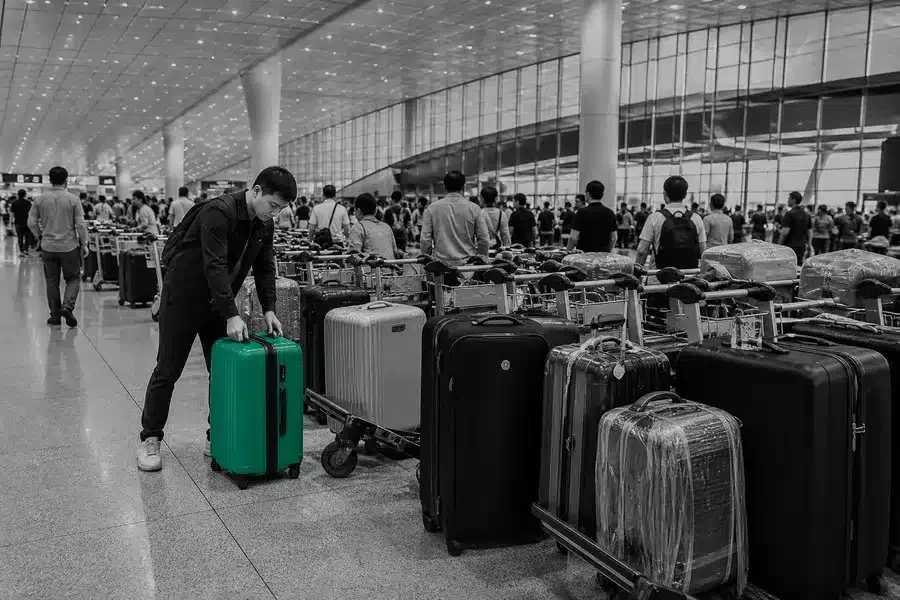
Thai Airways cancelled 22 domestic and international flights scheduled for September 29-30, including services to Singapore, India and Europe, after floodwater left half its ground staff unable to reach Suvarnabhumi Airport 2. Bags from 52 flights operated September 26-27 were still being delivered to passengers as of Wednesday, and 34 further flights were delayed on September 28.
The humanitarian toll is substantial: government sources cited a death toll of between 24 and 40, with 44 of Thailand’s 77 provinces affected and flooding still active in 32 of those provinces as of Wednesday 1. The scale of provincial impact signals that recovery timelines remain highly uncertain.
Government spokesman Ekkapob Pianpises said authorities were working to drain floodwater from Bangkok’s canals, targeting a return to normalcy within two to three days for city residents. However, Rayong – home to critical auto-manufacturing clusters – faces further heavy rain and water releases from spillways, adding downside risk to any near-term operational restart 2.
Management Quotes & Policy Response
Thai Airways Chief Executive Chai Eamsiri publicly apologised to passengers affected by the disruptions, as the airline scrambled to clear a mounting baggage backlog with additional deployed workers 2. Tourism and Sports Minister Surasak Phancharoenworakul said Thai Airways’ handling of the crisis had damaged Thailand’s tourism image and called on the Finance Ministry – the airline’s largest shareholder – to convene an urgent board meeting.
“It was coordinating with suppliers to restore deliveries and restart operations as soon as possible,” a Toyota spokesperson said of the company’s response to the parts-supply breakdown 1.
On the infrastructure front, Thailand’s cabinet is weighing a 160 billion-baht ($4.8 billion), eight-year project to divert floodwater from northern Thailand away from heavily populated and industrialised downstream areas – a long-term signal that policymakers recognise the systemic nature of the flood risk.
Outlook for Long-Horizon Investors
The immediate question for investors in Toyota, Honda and Thai Airways is whether shutdowns remain brief enough to be absorbed within quarterly guidance, or whether extended parts shortages and cargo paralysis begin to bite into annual earnings. The Federation of Thai Industries’ decision to hold its 1.45-million-vehicle production target is a measured signal of confidence, but it carries the implicit assumption that floodwater recedes and supply chains normalise within days rather than weeks 2.
Longer term, the episode reinforces a theme familiar to investors tracking climate-exposed industrial assets: concentration risk in flood-prone manufacturing regions can translate rapidly into earnings volatility. Companies with Thailand-heavy production footprints may face growing pressure from institutional investors to disclose climate-adaptation capital expenditure, particularly as Thailand weighs multibillion-dollar flood-diversion infrastructure.
Conclusion
The Thailand floods have delivered a sharp, real-world stress test to Japanese automaker supply chains and regional aviation logistics simultaneously. While the shutdowns are described as temporary, the combination of a record rainfall event, a 44-province disaster zone and uncertain timeline for Rayong’s industrial corridor means investors should monitor restoration updates closely before concluding the earnings impact is contained.
Not investment advice. For informational purposes only.
References
1Reuters (September 30, 2026). “Toyota car plants, Thai Airways cargo hit by Thailand floods”. Reuters. Retrieved September 30, 2026.
2Bloomberg via The Japan Times (September 29, 2026). “Thailand floods hit Thai Airways and Honda as disruption spreads”. The Japan Times. Retrieved September 30, 2026.