


Tyson Foods (TSN) topped first-quarter earnings estimates with adjusted EPS of 0.97 versus 0.93 expected, though shares fell despite hitting a 52-week high earlier. The mixed reaction reflects strong chicken demand offsetting steep declines in beef volumes and overall profitability pressures.
Key Takeaways
- Q1 adjusted EPS of 0.97 beat estimates of 0.93
- Chicken sales rose 3.7% while beef volumes dropped 7.3%
- Revenue up 5.1% to 14.31 billion despite profit pressures
Market Reaction & Context
Tyson shares initially climbed 2.3% in premarket trading to reach a new 52-week high of 66.84 before reversing course5. The conflicting moves highlight investor uncertainty about the protein giant’s divergent segment performance.
The Springdale, Arkansas-based company’s results reflect broader industry trends, with chicken demand remaining resilient while cattle supply constraints pressure beef operations. Revenue of 14.31 billion exceeded Wall Street forecasts despite underlying profitability challenges2.
Segment Performance Divergence
Tyson’s chicken division delivered solid growth with sales volumes rising 3.7% year-over-year while prices remained roughly flat3. The prepared foods segment also contributed to the quarter’s outperformance alongside chicken operations.
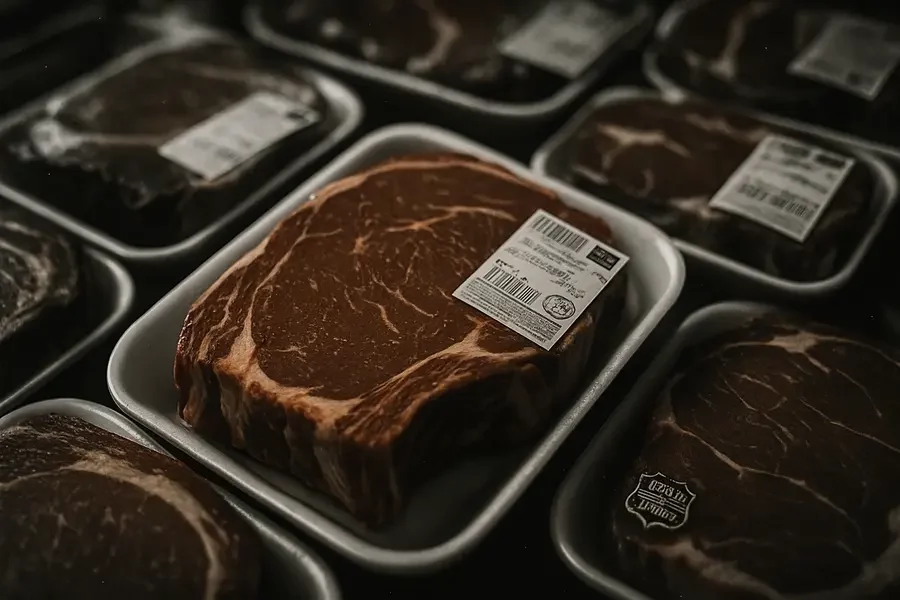
However, beef operations faced headwinds as sales volumes plunged 7.3% while prices surged 17.2%1. The cattle supply crunch continues to weigh on this key segment, creating margin pressure despite higher pricing.
Profitability Under Pressure
While Tyson beat adjusted earnings expectations, the company reported a concerning 75.7% drop in reported EPS to 0.25 for the quarter7. This stark decline in bottom-line profitability explains investor caution despite the revenue beat.
CEO Donnie King acknowledged the challenging operating environment while highlighting operational improvements in key segments. The divergent performance between protein categories reflects changing consumer preferences and supply chain dynamics.
Industry Outlook
Tyson’s mixed results underscore the complexity facing major protein processors as they navigate supply constraints and shifting demand patterns. The cattle supply crunch that pressured beef operations shows little sign of immediate relief4.
Chicken and prepared foods accounted for the bulk of the company’s positive performance, suggesting Tyson’s diversification strategy provides some insulation from beef market volatility. However, overall margin pressure remains a key concern for investors.
Conclusion
Tyson Foods demonstrated resilience in its core chicken business while facing significant headwinds in beef operations. The earnings beat reflects operational execution in growing segments, though declining overall profitability tempers investor enthusiasm.
The stock’s volatile reaction highlights the market’s focus on sustainable profit growth rather than just revenue beats in the current environment.
Not investment advice. For informational purposes only.
References
1“Tyson Foods beats quarterly profit estimates on chicken demand” (2024). Yahoo Finance. Retrieved February 2, 2026.
2“Tyson Foods beats Q1 expectations as prepared foods, chicken segments shine” (2024). Investing.com. Retrieved February 2, 2026.
3“Tyson Foods stock rises after earnings. Chicken and beef are trending in opposite directions” (2024). MSN. Retrieved February 2, 2026.
4“Cattle Supply Crunch Weighs on Profit at Tyson Foods” (2026). Wall Street Journal. Retrieved February 2, 2026.
5“Tyson Foods (TSN) Surpasses Earnings Estimates, Hits New 52-Week High” (2026). GuruFocus. Retrieved February 2, 2026.
6“Tyson Foods Q1 profit falls despite higher sales | TSN SEC Filing” (2026). StockTitan. Retrieved February 2, 2026.
7“Tyson Foods Earnings Strong Revenue, Collapsing Earnings” (2026). AInvest. Retrieved February 2, 2026.
8“Tyson Foods rallies to a 52-week high after earnings topper” (2026). Seeking Alpha. Retrieved February 2, 2026.