

HONG KONG, October 17, 2025 – Xiaomi Corp (1810.HK) posted its worst weekly decline in over three years, falling 11.7% as fatal electric vehicle crashes raised safety concerns about the Chinese tech giant’s automotive venture1.
The sell-off threatens Xiaomi’s ambitious push into the competitive EV market, where safety incidents can severely damage brand credibility and sales momentum.
- Xiaomi shares tumbled 11.7% this week, worst since January 2022
- Fatal EV crashes sparked concerns about door safety mechanisms
- Stock remains up year-to-date despite recent volatility
Market Reaction & Context
Xiaomi shares slid as much as 8.7% in Hong Kong trading earlier this week, marking the steepest single-day drop since April4. The weekly decline of 11.7% represents the worst performance since late January 2022, though the stock remains positive for the year5.
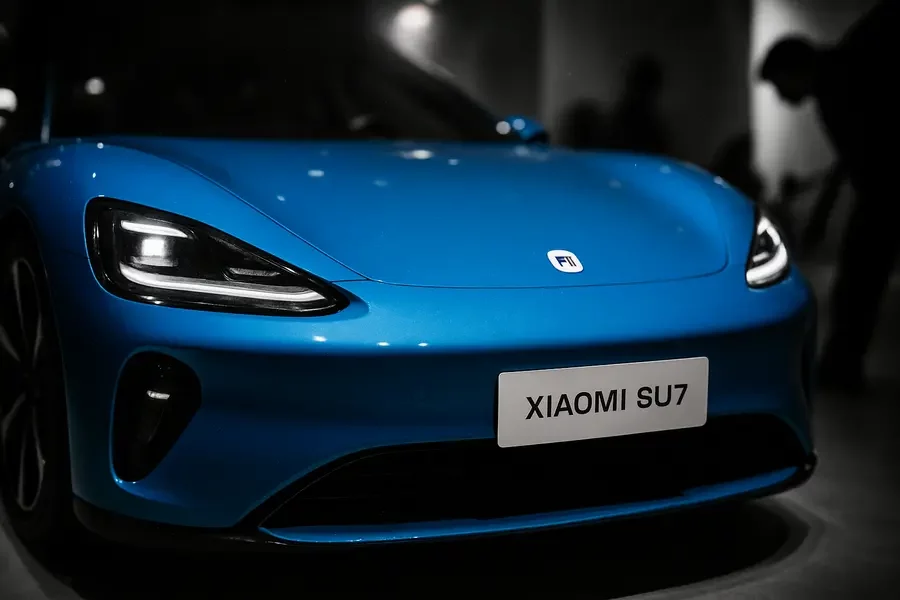
The selloff was triggered by media reports of two separate accidents involving Xiaomi’s SU7 electric vehicles, including at least one fatal crash where the vehicle’s doors allegedly failed to open after impact6. Images and video footage of a burning Xiaomi EV circulated widely on social media, amplifying investor concerns.
Safety Concerns Emerge
The accidents have put Xiaomi’s EV safety systems under scrutiny, particularly the electronic door mechanisms that reportedly malfunctioned during emergency situations. Door safety failures in EVs have become a growing concern across the industry as manufacturers increasingly rely on electronic rather than mechanical systems.
Xiaomi entered the competitive Chinese EV market earlier this year with its SU7 sedan, positioning itself as a technology-forward alternative to established players like Tesla and BYD. The company has leveraged its smartphone expertise to create connected vehicle experiences, but the recent incidents highlight potential gaps in safety engineering.
Industry Impact
The safety concerns come at a critical time for China’s EV sector, which faces increasing regulatory scrutiny and consumer awareness about vehicle safety standards. Chinese authorities have been tightening safety requirements for electric vehicles following several high-profile incidents across the industry.
Other Chinese EV manufacturers have faced similar challenges, with several recalls issued over the past year for various safety defects. The incidents underscore the technical challenges facing newcomers to the automotive industry, where safety standards are paramount.
Market Outlook
Despite the recent volatility, Xiaomi’s stock remains up for the year as investors had previously embraced the company’s diversification into electric vehicles. The smartphone maker’s entry into automotive was seen as a natural extension of its ecosystem strategy, leveraging existing technology capabilities.
However, the safety incidents may force Xiaomi to invest more heavily in traditional automotive safety systems and potentially delay product rollouts while addressing technical issues. The company has not yet issued a comprehensive response to the safety concerns raised by the accidents.
Not investment advice. For informational purposes only.
References
1(October 17, 2025). “Xiaomi shares post worst week in 3-1/2 years as accidents stoke EV safety concerns”. Reuters. Retrieved October 17, 2025.
2(October 17, 2025). “Xiaomi shares post worst week in 3-1/2 years as accidents stoke EV safety concerns”. Reuters Asia. Retrieved October 17, 2025.
3(October 17, 2025). “Xiaomi shares post worst week in 3-1/2 years as accidents stoke EV safety concerns”. SEPE.gr. Retrieved October 17, 2025.
4(October 13, 2025). “Xiaomi shares see biggest drop since April after fatal EV crash sparks safety concerns”. CNBC. Retrieved October 17, 2025.
5(October 17, 2025). “Xiaomi shares post worst week in 3-1/2 years as accidents stoke EV safety concerns”. Nestia. Retrieved October 17, 2025.
6(October 13, 2025). “Chinese tech giant Xiaomi saw its shares fall over 7%, following reports that the doors of one of its EVs failed to open after a fiery crash”. CNBC Tech. Retrieved October 17, 2025.